Technology & Data · 4 min read
FinOps Basics: Cutting Cloud Waste Without Slowing Teams Down
Cloud bills grow quietly until someone in finance asks an awkward question. FinOps is the practice of making cloud spending visible, owned and tied to value, so cost becomes part of everyday engineering decisions.
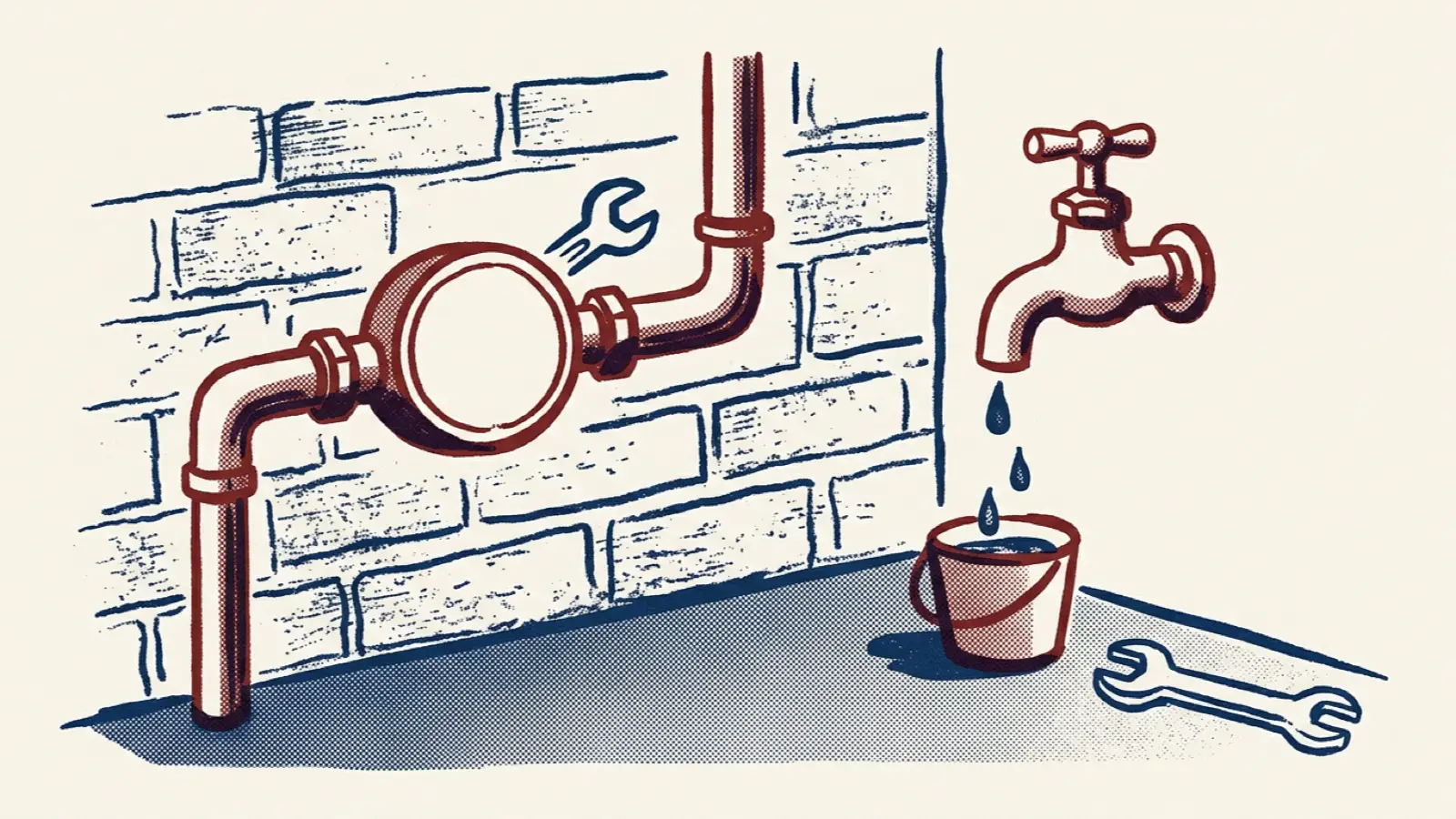
Cloud computing changed how organisations pay for technology. Instead of buying servers every few years through a careful procurement process, engineers can create resources in minutes, and the bill arrives at the end of the month. That flexibility is enormously valuable. It also means that spending decisions are now made, often without anyone noticing, by the people building and running systems.
FinOps, short for cloud financial operations, is the practice that has grown up to manage this. It brings together engineering, finance and business teams to make cloud costs visible, share accountability and make better trade-offs between speed, cost and quality. The FinOps Foundation, part of the Linux Foundation, has helped define and spread the practice.
This article covers the basics for organisations getting started.
Why cloud costs get out of hand
- Nobody sees the bill. Costs arrive as one large invoice that only finance looks at.
- Resources are left running. Test environments, old experiments and forgotten servers keep costing money long after they are needed.
- Over-provisioning. Resources are sized for peak demand, or "just in case", and rarely revisited.
- Lift-and-shift habits. Workloads moved from a data centre run 24 hours a day at a fixed size, paying cloud prices for a data centre model. Our article on the cloud maturity journey explores this pattern.
- No ownership. When nobody owns a cost, nobody reduces it.
Step 1: Make costs visible
You cannot manage what you cannot see. The first step is to make cloud costs visible to the people who create them.
- Tag resources by team, product, environment and cost centre, and enforce tagging for new resources.
- Allocate costs to the teams and products responsible, including shared costs such as networking and support.
- Share regular reports or dashboards with engineering teams, not just finance.
Visibility alone often reduces spending, as teams notice resources they had forgotten about.
Step 2: Share accountability
FinOps works when engineers treat cost as one of the qualities of a good system, alongside performance, reliability and security.
- Give each team ownership of its cloud costs, with a named person responsible.
- Set budgets or targets for teams and products, and review them regularly.
- Bring finance and engineering together. Finance brings forecasting and budgeting skills; engineering understands what drives cost. Regular conversations between them prevent surprises.
The aim is not to make engineers ask permission for every resource. It is to give them the information and responsibility to make sensible choices.
Step 3: Remove waste
Once costs are visible and owned, there are usually quick wins:
- Turn off what is not used: idle servers, unattached storage, old snapshots and abandoned test environments.
- Schedule non-production environments to shut down outside working hours.
- Right-size resources that are consistently under-used.
- Clean up data: storage costs accumulate as data and backups are kept indefinitely.
Step 4: Pay less for what you use
For steady, predictable workloads, cloud providers offer significant discounts in exchange for commitment, such as reserved capacity or savings plans. Spot or pre-emptible capacity can cut costs for workloads that tolerate interruption. These rate optimisations need care, because over-committing creates its own waste, but they are an important lever once usage is understood.
Step 5: Measure value, not just cost
Cutting costs is not the goal in itself. A rising cloud bill may be good news if the business is growing faster. The more useful question is: what does it cost to deliver a unit of value?
Unit economics relate cloud cost to a business measure, such as cost per customer, per transaction, per order or per active user. Tracking these shows whether efficiency is improving as the business grows, and helps product teams make informed trade-offs.
Step 6: Build guardrails
As the practice matures, automate good habits:
- Policies that require tags and block untagged resources.
- Alerts when spending deviates from forecast.
- Automatic shutdown of idle resources.
- Cost estimates in deployment pipelines, so engineers see the impact of changes before they are made.
Guardrails let teams move quickly without accidentally creating large bills.
Common mistakes
- Treating FinOps as a finance project. It needs engineering ownership to work.
- Cost-cutting drives that damage reliability. Removing redundancy to save money can be a false economy.
- One-off clean-ups. Waste returns unless visibility and accountability are permanent.
- Chasing discounts before cleaning up. Committing to pay for resources you should have switched off locks in waste.
How mature is your cloud cost management?
Updated October 2026: we have added a FinOps / Cloud Cost Management assessment. It covers cost visibility and allocation, accountability and collaboration, budgeting and forecasting, usage and rate optimisation, unit economics and value, and governance and policy.
Cost management is one dimension of wider cloud maturity. The Cloud Maturity assessment also covers strategy, migration, architecture, operations and security.
Frequently asked questions
Do we need a dedicated FinOps team?
Smaller organisations can start with a part-time lead and regular meetings between finance and engineering. Larger organisations with significant cloud spend often benefit from a small central team that provides tools, data and expertise to product teams.
How much can FinOps save?
It varies widely. Organisations that have never looked closely at their cloud spending usually find meaningful waste quickly. Ongoing savings depend on how consistently visibility and accountability are maintained.
Does FinOps apply to SaaS spending too?
The same principles, visibility, ownership and value, apply to software-as-a-service subscriptions, which often grow in similarly unmanaged ways.