Leadership & People · 4 min read
When People Leave, Knowledge Leaves: A Practical Retention Guide
Every organisation has someone who "just knows" how a critical thing works. When that person leaves, the organisation discovers how much it depended on them. Here is how to find that risk early and reduce it.
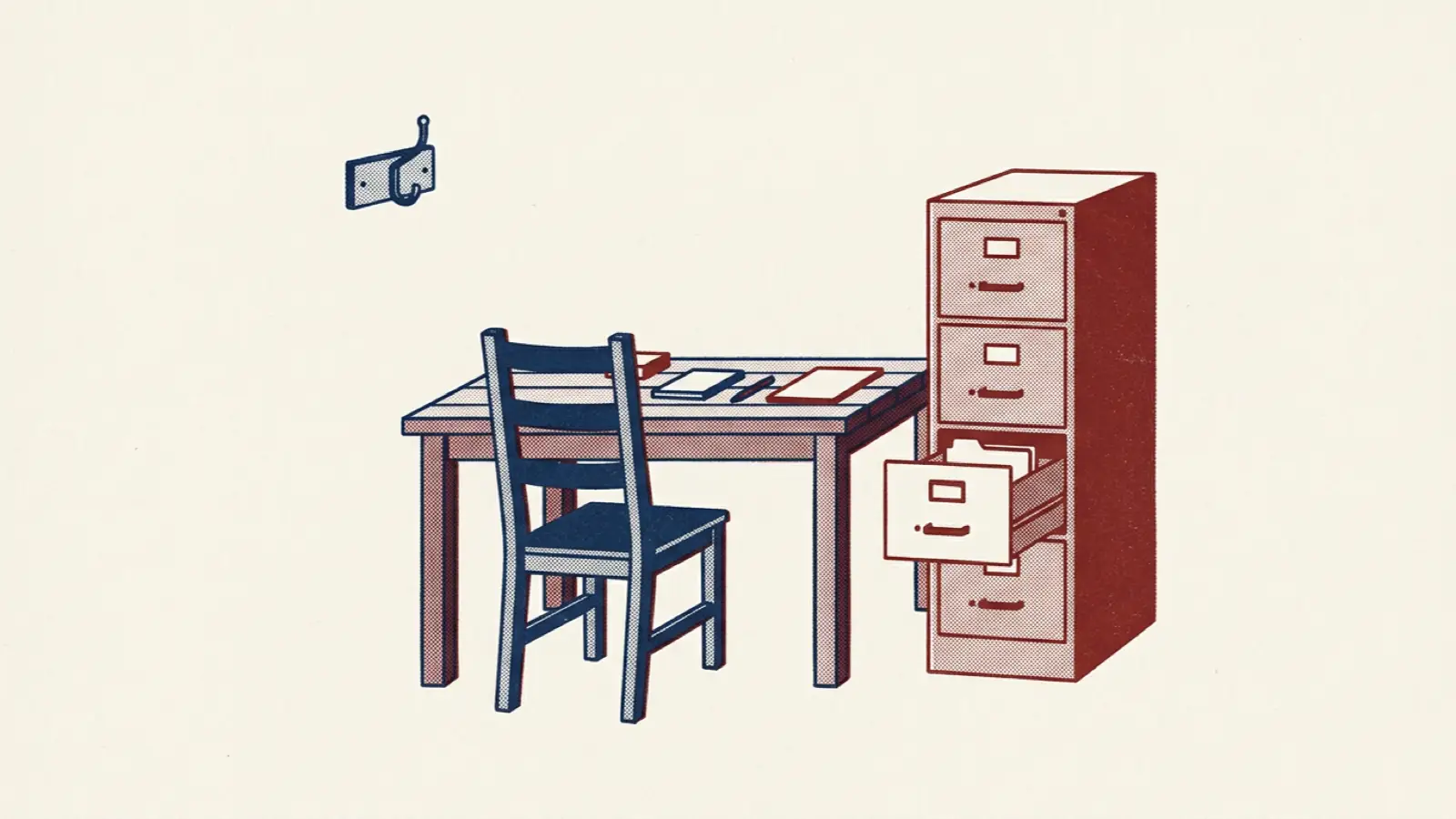
It usually starts with a resignation letter. A long-serving colleague announces they are leaving, and over the next few weeks a series of uncomfortable questions emerge. Who else knows how the month-end reconciliation really works? Where are the notes on that difficult client? Why does the old system need restarting every Tuesday, and who will remember to do it?
Knowledge loss is one of the most common and least managed risks in organisations. It hits hardest in small teams, specialist roles and long-established processes that have never been written down. This guide explains how to spot the risk early, capture what matters and build habits that keep knowledge in the organisation.
Two kinds of knowledge
It helps to distinguish two types of knowledge:
- Explicit knowledge can be written down: procedures, configurations, contact lists, decisions and their reasons.
- Tacit knowledge lives in experience: judgement about when to bend a rule, a feel for which customers need extra care, knowing who to call when something unusual happens.
Explicit knowledge is easier to capture but often is not, simply because nobody makes time. Tacit knowledge is harder, and usually transfers through working alongside someone rather than reading a document.
Step 1: Find your knowledge risks before people leave
The worst time to start capturing knowledge is during someone's notice period. Find the risks early.
A simple exercise works well. For each team, ask:
- Which tasks or decisions does only one person know how to do?
- Which systems, clients or processes depend on one person's knowledge?
- If that person were away for a month, what would go wrong?
- Who is likely to leave or retire in the next two years?
Combine the answers into a simple risk view: the knowledge at stake, who holds it, how critical it is and how likely it is to be lost. Focus on the few areas that are both critical and concentrated in one person.
Step 2: Capture explicit knowledge as part of normal work
Documentation fails when it is a separate, occasional task. It works when it is part of doing the job:
- Write procedures the first time you do something unusual, while it is fresh.
- Record decisions and their reasons, not just the outcome. A short decision log saves hours of later confusion.
- Use templates that make it quick to capture the essentials.
- Keep it findable, in one agreed place that people actually search, not scattered across personal drives and inboxes.
- Review it regularly, so out-of-date documents do not mislead people.
Step 3: Transfer tacit knowledge through people
Tacit knowledge transfers through people, not documents. The most effective methods are:
- Shadowing and pairing. A less experienced colleague works alongside the expert on real tasks.
- Job rotation. People spend time in different roles, which spreads knowledge and builds resilience.
- Communities of practice. People doing similar work in different teams meet regularly to share problems and solutions.
- Storytelling. Experienced staff talk through memorable cases: what happened, what they did and why. These stories carry judgement that procedures cannot.
- Mentoring. A structured relationship that runs over months, not weeks.
Step 4: Plan handovers properly
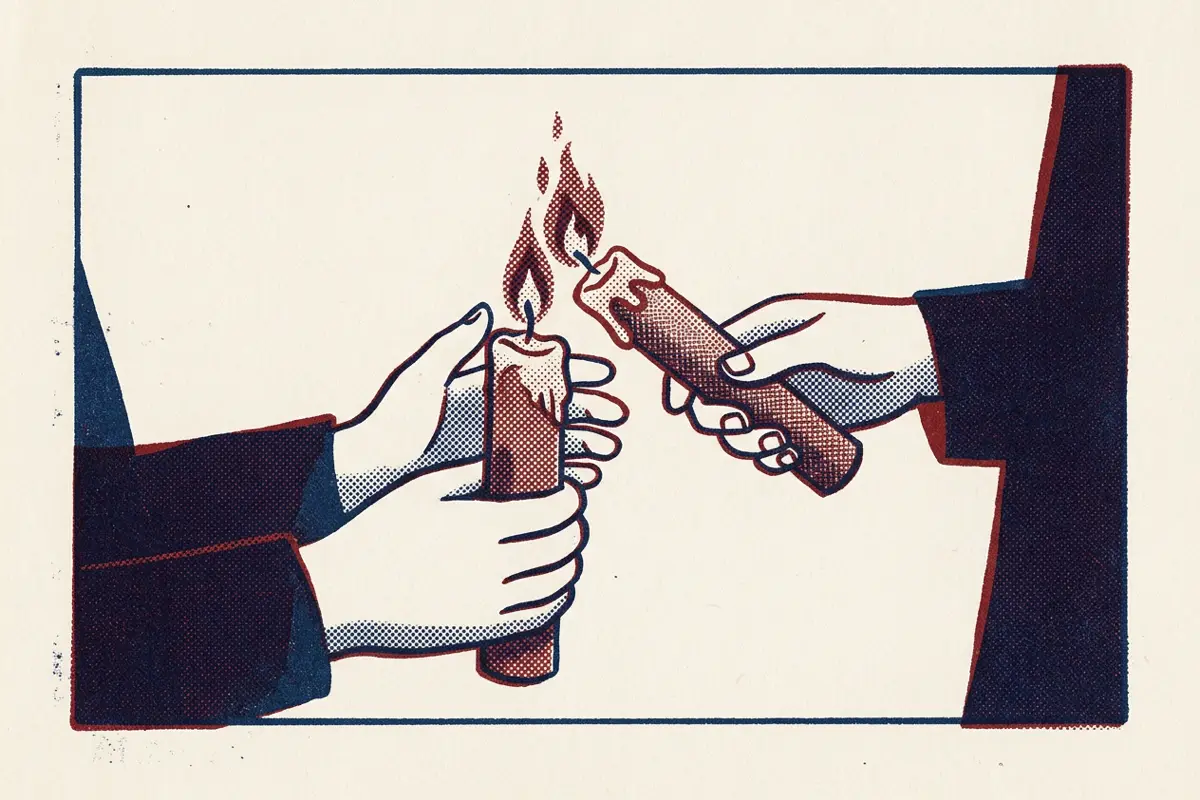
When someone does leave, a planned handover makes a large difference:
- Start early. Agree a handover plan in the first week of notice, not the last.
- Prioritise. Use the knowledge risk view to focus on what matters most.
- Pair, do not just document. Have the successor do the work while the leaver watches, not the other way round.
- Introduce relationships. Personally introduce successors to key clients, suppliers and colleagues.
- Capture the unwritten. Ask open questions: "What do you do that isn't in any procedure?", "What do you wish someone had told you when you started?", "What problems do you see coming?"
- Keep the door open. Where appropriate, agree that the leaver can be contacted for a short period after leaving.
Step 5: Build a culture where sharing is normal
Ultimately, knowledge stays in organisations where sharing is expected and valued. Several things help:
- Recognise sharing. Value people who help others learn, not just those who know the most.
- Remove hoarding incentives. In some cultures, being the only person who knows something feels like job security. Leaders need to make clear that sharing knowledge is part of the job, and that resilience is valued.
- Make time. Documentation and mentoring take time. If they are always squeezed out by urgent work, they will not happen.
- Learn from experience. Short reviews after projects and incidents turn individual experience into organisational knowledge.
The cost of getting it wrong
Knowledge loss rarely appears as a single line on a report. It shows up as slower onboarding, repeated mistakes, longer fixes, frustrated customers and, sometimes, serious failures when nobody understands a critical system. In regulated areas, it can mean being unable to explain past decisions.
The cost of prevention is modest by comparison: some time for documentation, pairing and handovers, and leaders who make it a priority.
How mature is your knowledge management?
The Knowledge Management assessment covers how knowledge is captured, organised and found, shared and kept up to date, how the organisation learns from experience, and the culture and incentives around sharing. It is a quick way to see whether knowledge in your organisation is scattered, organised, or genuinely flowing.
Frequently asked questions
How long should a knowledge handover take?
It depends on the role, but for critical roles plan at least several weeks of overlap, focused on doing the work together rather than writing documents.
What is the best tool for knowledge management?
The best tool is the one people actually use. Agreeing on one place for each type of knowledge, and keeping it tidy, matters far more than the specific product.
How do we capture knowledge from someone retiring?
Start a year or more ahead if possible. Combine a phased handover, pairing with successors, recorded walkthroughs of complex tasks and story-based interviews about memorable cases and decisions.