Leadership & People · 4 min read
Change Fatigue: How to Spot It Before It Derails Your Programme
Change fatigue rarely announces itself. It shows up as quiet disengagement, slower adoption and cynical jokes about "the latest initiative". By the time it is obvious, it is already costing you.
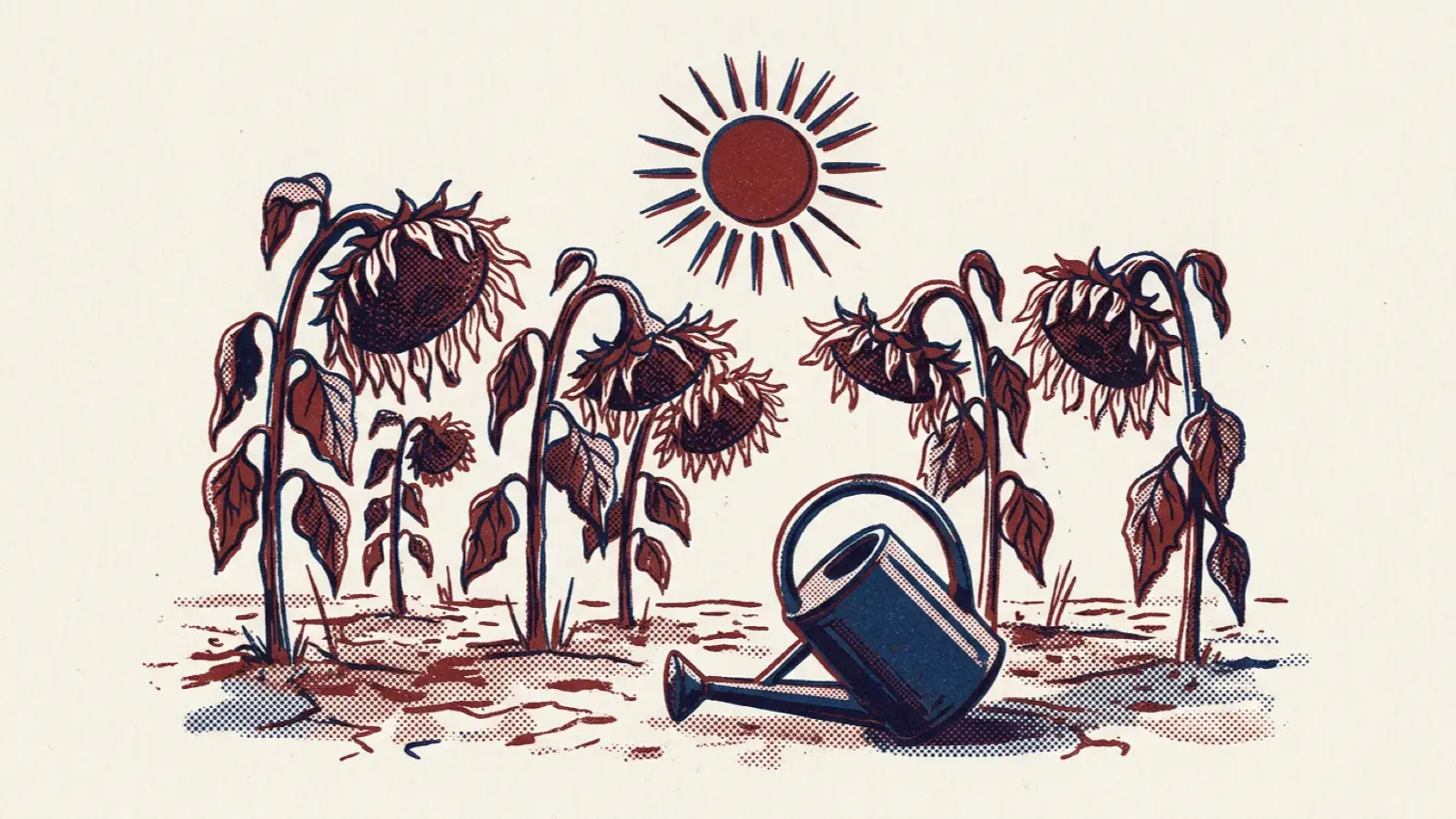
Most organisations are running several changes at once: a new system here, a restructure there, a revised policy, a cost programme, a culture initiative. Each one may be well planned and well intentioned. Together, they can overwhelm the people expected to absorb them.
Change fatigue is the exhaustion, cynicism and disengagement that build up when people face more change than they can absorb. It is one of the most common reasons good changes fail, and one of the least measured. This article covers how to spot it early, why it happens, and what leaders can do about it.
What change fatigue looks like
Change fatigue is rarely dramatic. It tends to show up in small, cumulative ways:
- Lower attendance and engagement in briefings, training and consultation sessions.
- Slower adoption of new processes and systems, with people sticking to old workarounds.
- Cynicism. Phrases like "this too shall pass" or "here we go again" become common.
- Fewer questions and objections. Silence can be a warning sign, not a sign of agreement. People who have stopped engaging no longer bother to push back.
- Rising sickness absence or turnover in teams that have absorbed several changes in a row.
- Change saturation in particular groups. Often the same teams, frequently frontline or support functions, are on the receiving end of almost every change.
Why it happens
Too much change at once
The most obvious cause is volume. When multiple initiatives land on the same people in the same period, each one gets less attention, and the combined effort becomes unsustainable.
Change that is never finished
When changes are launched but never properly embedded, people experience a constant churn of half-finished initiatives. New changes arrive before old ones have settled.
Changes that do not seem to matter
People are more willing to invest in change they understand and believe in. Initiatives that feel arbitrary, poorly explained or disconnected from real problems drain energy quickly.
No visible results
If people have worked hard on previous changes and never seen the benefits, they will be reluctant to invest in the next one.
Changes that compete
Two initiatives may pull in opposite directions: one demanding efficiency savings, another demanding more time for quality or engagement. Conflicting messages create stress and confusion.
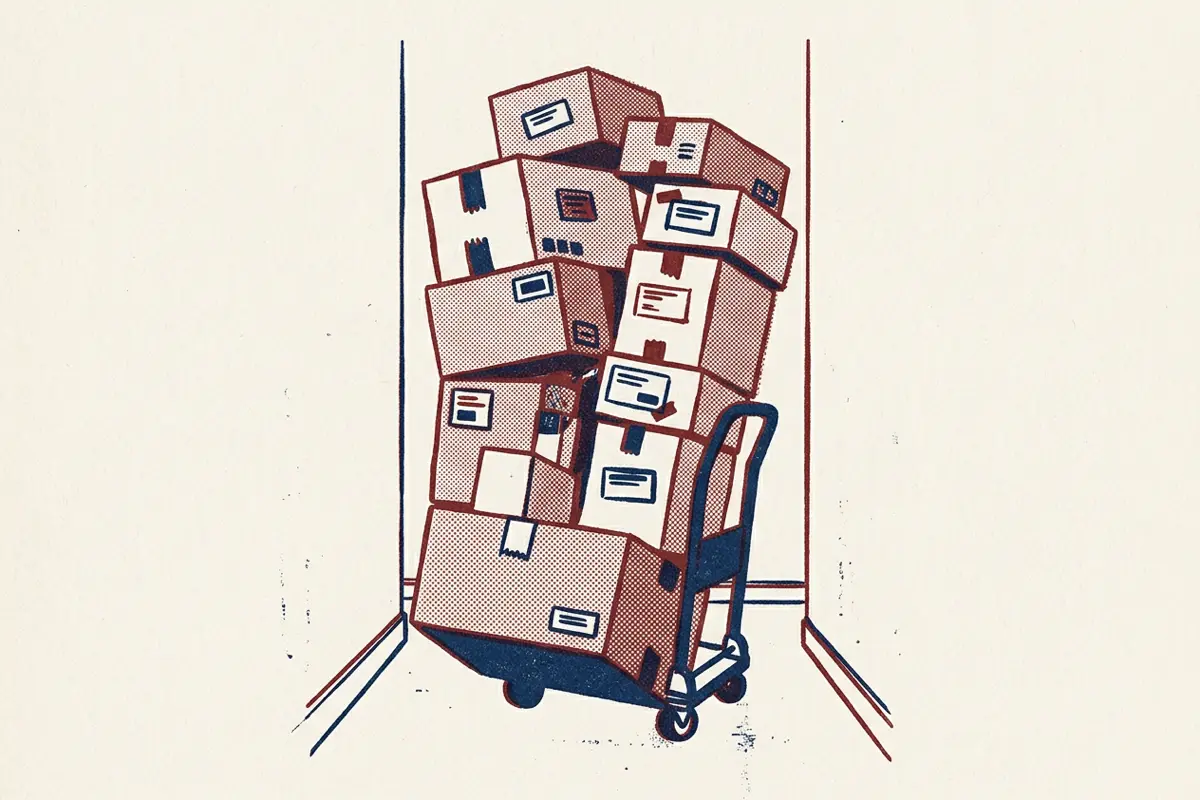
How to measure it
You cannot manage what you cannot see. A few simple measures help:
- A change calendar showing load by group. List all planned changes and the teams they affect, month by month. Look for groups facing several changes at once.
- Pulse questions. Short, regular questions such as "How manageable is the amount of change you are experiencing?" give an early signal.
- Adoption measures. Falling adoption across several changes, rather than one, often points to fatigue rather than a problem with a specific initiative.
- Wellbeing indicators. Absence, overtime and turnover in heavily affected teams.
What leaders can do
Look at change as a portfolio
The single most effective step is to manage change across the organisation, not project by project. A regular review of all planned changes, and the groups they affect, lets leaders stagger, combine or postpone initiatives so no group is overloaded.
Stop something
Fatigue is often a sign that the organisation is trying to do too much. Leaders who visibly stop or pause lower-priority initiatives free up capacity and show that they are listening.
Finish what you start
Make sure changes are embedded before declaring them complete. Checking adoption after go-live and fixing remaining problems prevents the sense of endless, unfinished churn.
Explain the why, repeatedly
People need to understand why a change matters and how it connects to the bigger picture. Leaders should explain it in their own words, more than once, and be honest about trade-offs.
Show results
Share evidence that previous changes made a difference: faster processes, fewer complaints, easier work. Visible results rebuild willingness to engage.
Involve people earlier
People who help shape a change are more likely to support it. Involving frontline staff in design not only improves the change, it also gives them a sense of control, which is a powerful antidote to fatigue.
Protect recovery time
After a period of heavy change, allow a period of stability. Avoid launching a new initiative in a team that has just absorbed a major one.
The link with wellbeing
Change fatigue is not just a project problem. Sustained, high levels of change are a source of workplace stress. When workload, uncertainty and lack of control combine, people's wellbeing suffers, and with it their performance.
That is why organisations with mature change practices consider the human cost of change alongside the business case. The Employee Wellbeing assessment includes how workload is managed and how well managers support their teams, both of which are closely linked to how change is experienced.
How mature is your change practice?
Change fatigue is usually a symptom of change being managed one project at a time, without a view of the whole. The Change Management assessment includes questions on readiness, resistance, adoption and capacity for change, as well as planning, sponsorship and communication.
If you recognise some of the warning signs above, our article on seven signs your change management is ad hoc covers related problems and practical first steps.
Frequently asked questions
Is change fatigue the same as resistance to change?
No. Resistance is usually a response to a specific change. Fatigue is a broader exhaustion that makes people less able to engage with any change, including ones they would normally support.
How much change is too much?
There is no fixed limit. It depends on the size of the changes, how well they are supported and how much capacity teams have. The best guide is to watch for the warning signs and ask people directly.
Can you have change fatigue in a small organisation?
Yes. In small organisations, the same few people often carry every change, so fatigue can build quickly even with only a few initiatives.